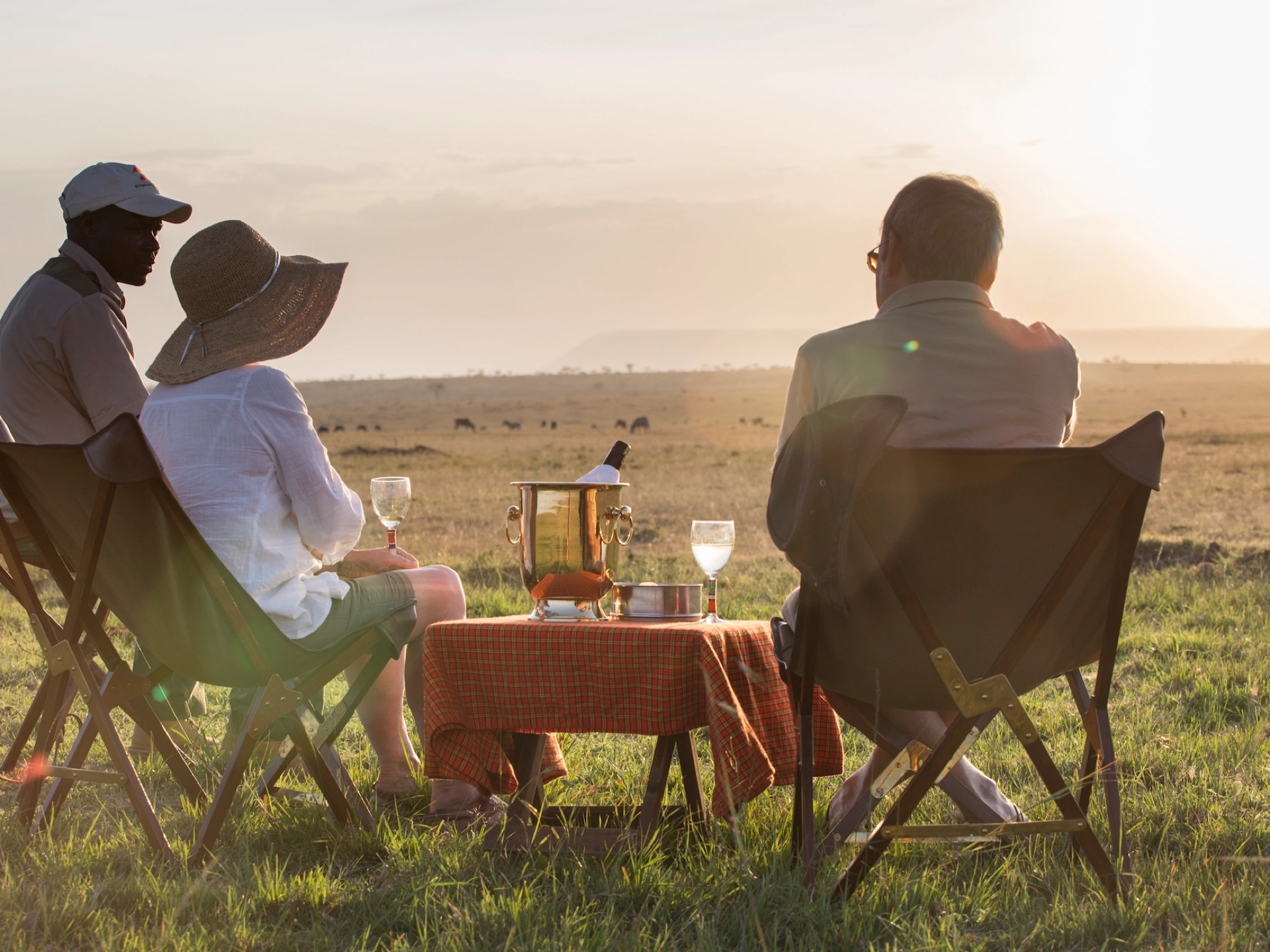
Safari honeymoons
The wedding date decides more than the destination does
Almost every honeymoon guide starts with where. That is the wrong end. The date is fixed, the leave is probably fixed, and everything else bends around them — which is why the trips that disappoint are the ones planned in the other order.
The order
Six decisions, and the sequence matters
Each one narrows the next. Done in this order, the shortlist is three camps rather than three hundred.
1. The month
Already decided for you by the wedding. Start here and half the continent is ruled in or out.
2. The country
Given the month, there are usually two or three real candidates rather than twelve.
3. The length
Ten to fourteen nights is the sweet spot. How you split them matters more than the total.
4. The pace
The decision people skip. Game drives leave at 6am, and you have just had a wedding.
5. The budget
Per person per night. At every level, spend on privacy before you spend on the room.
6. The one thing
The single thing that must be right, so everything else can flex around it.
The hard parts
Where honeymoons actually go wrong
Not in the choice of camp. In four decisions that a brochure has no reason to raise with you.
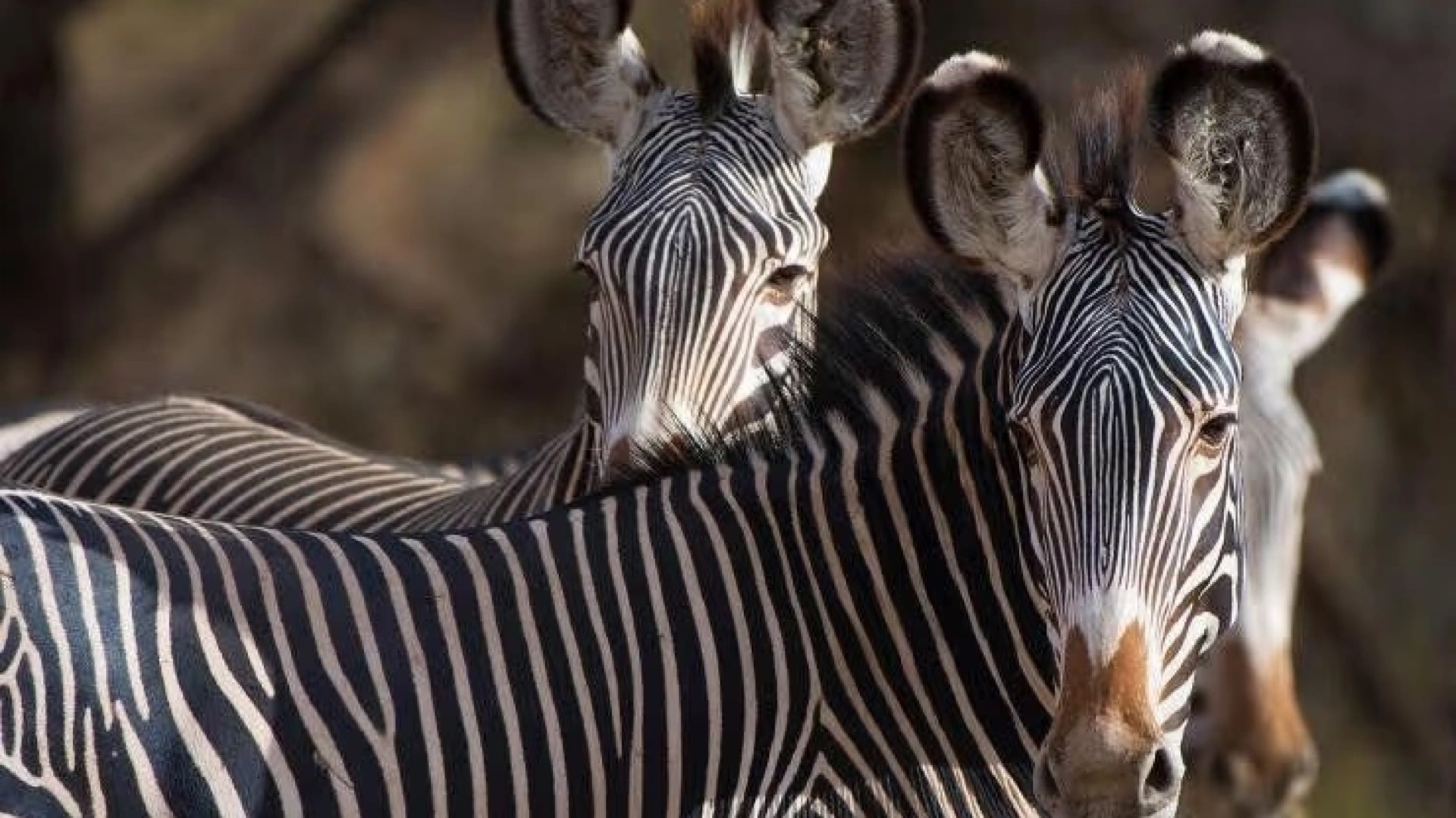
The month was wrong
You married in April, picked a destination, and discovered it was the long rains. There are two good answers to this and one of them is Rwanda.
Month by month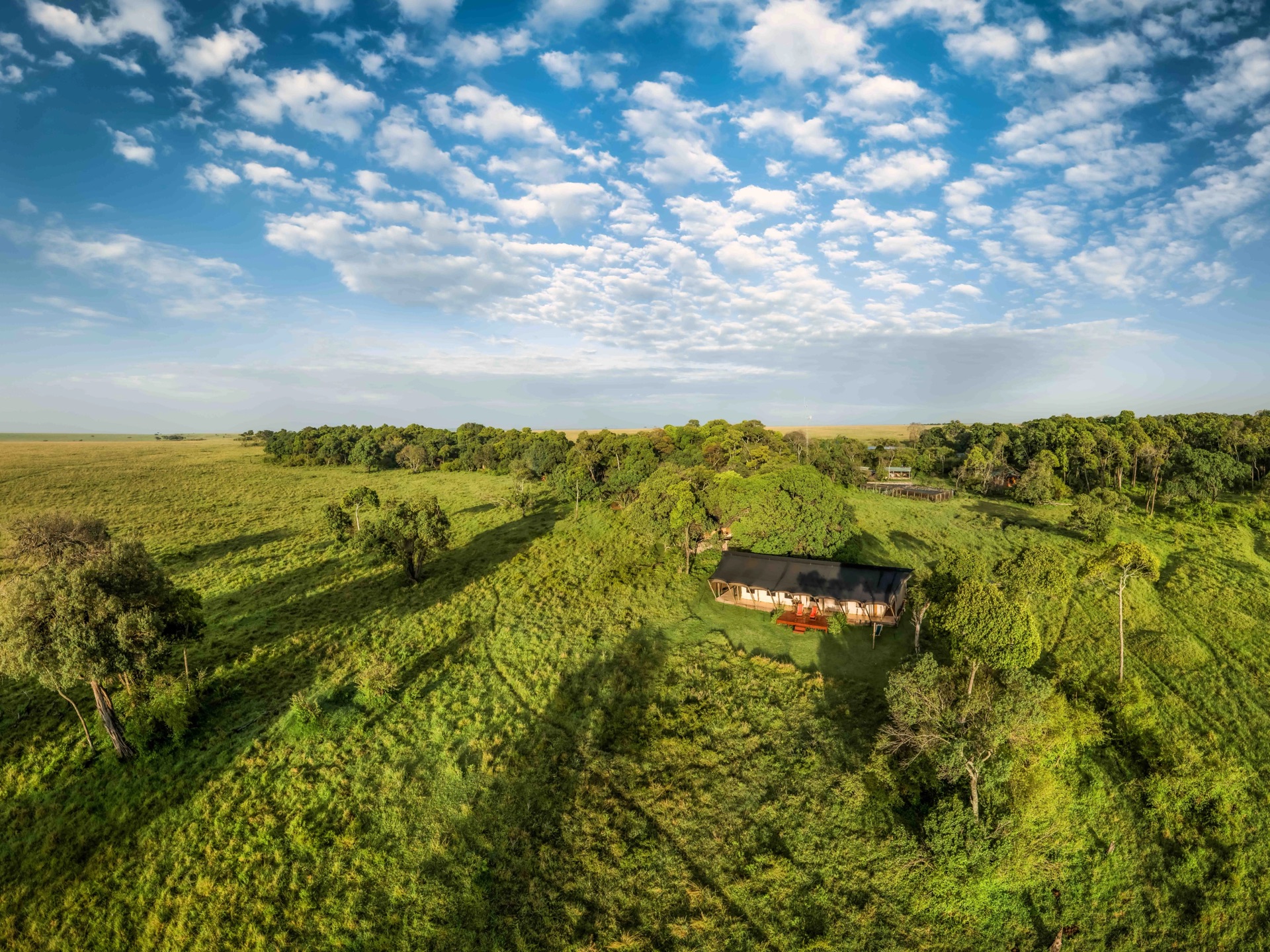
Too many camps
Four camps in ten nights means four packings, four flights and four mornings lost. Three nights each, three places maximum.
How long, and the split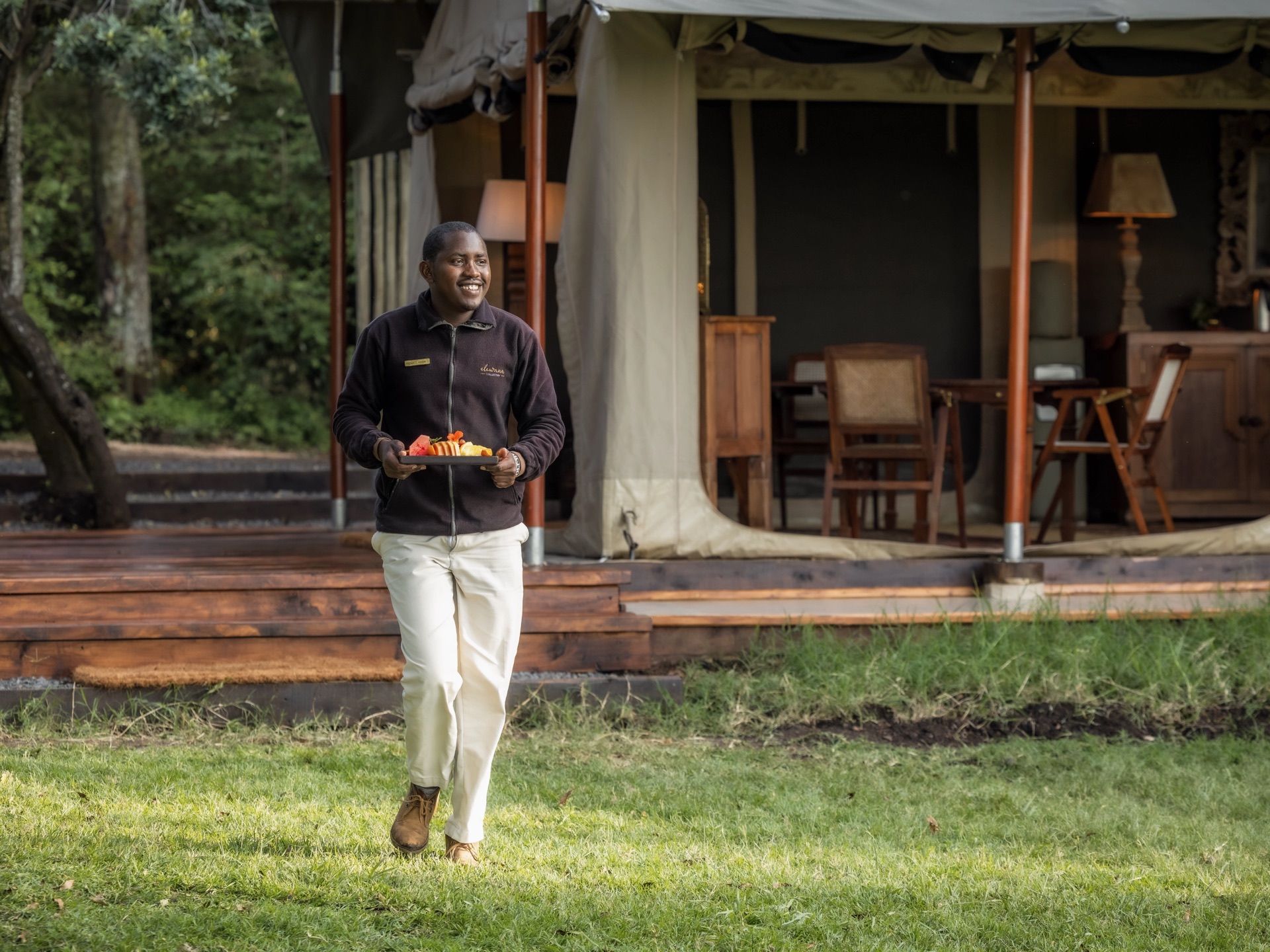
Nobody mentioned 5.30am
A safari starts early because animals do. You are more tired after a wedding than you think. Bush first, beach second, always.
Getting the pace right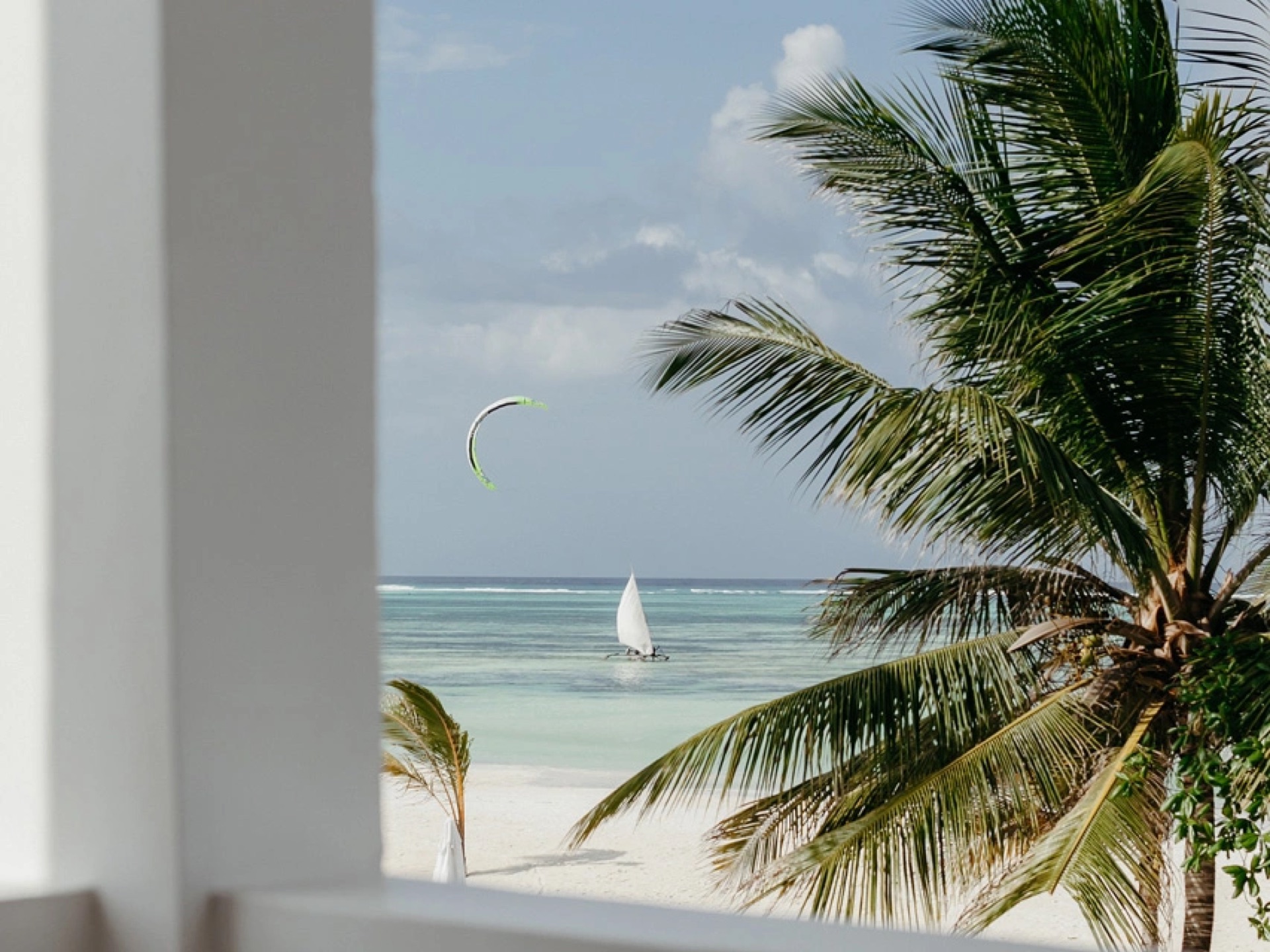
The beach came first
It is tempting and it is backwards. Repay the sleep debt at the end, not before you start.
Bush and beach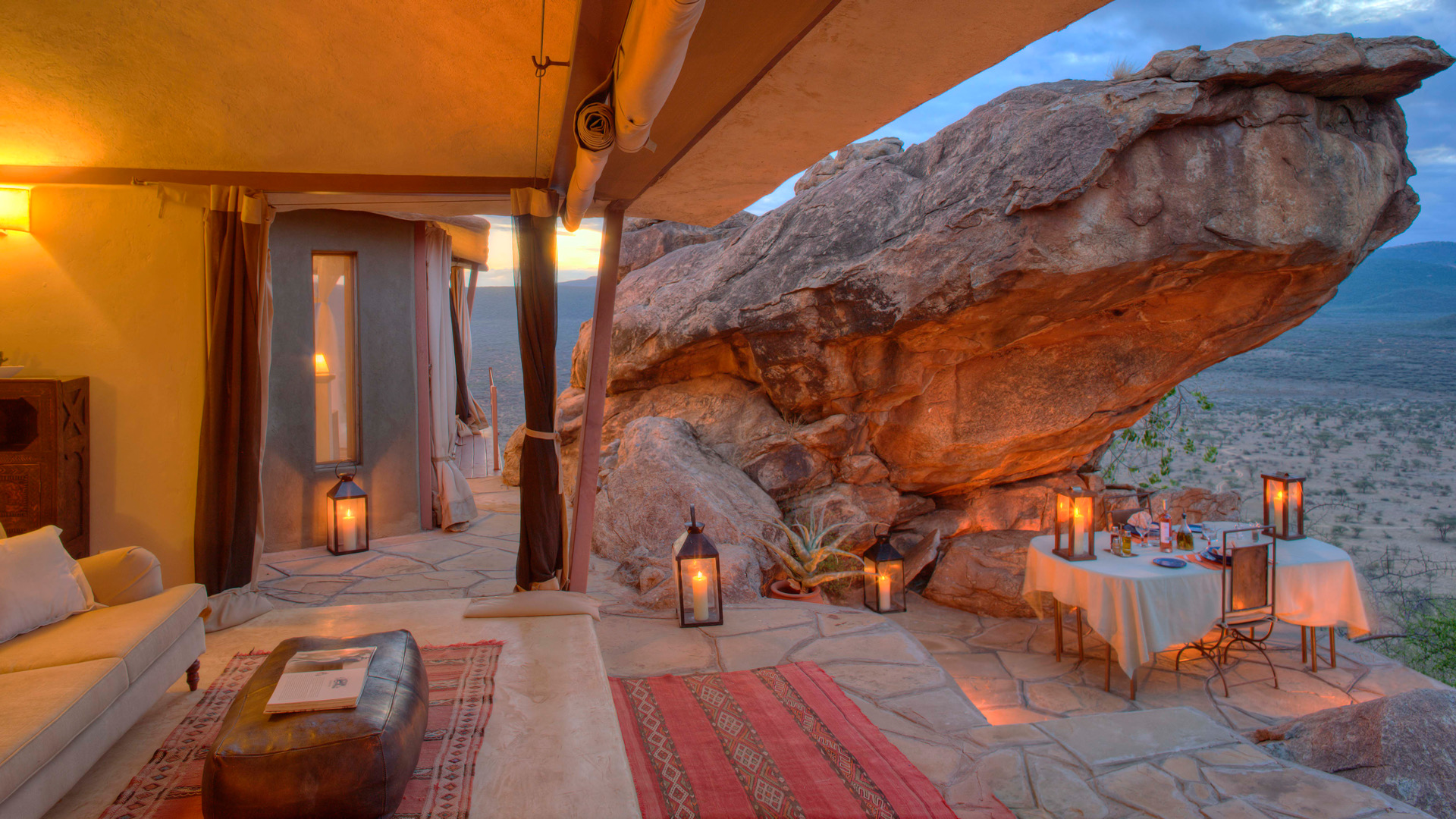
Privacy went on the room
A larger suite in a sixty-room lodge feels less like a honeymoon than a small tent with your own vehicle. Spend in that order.
Where the money goes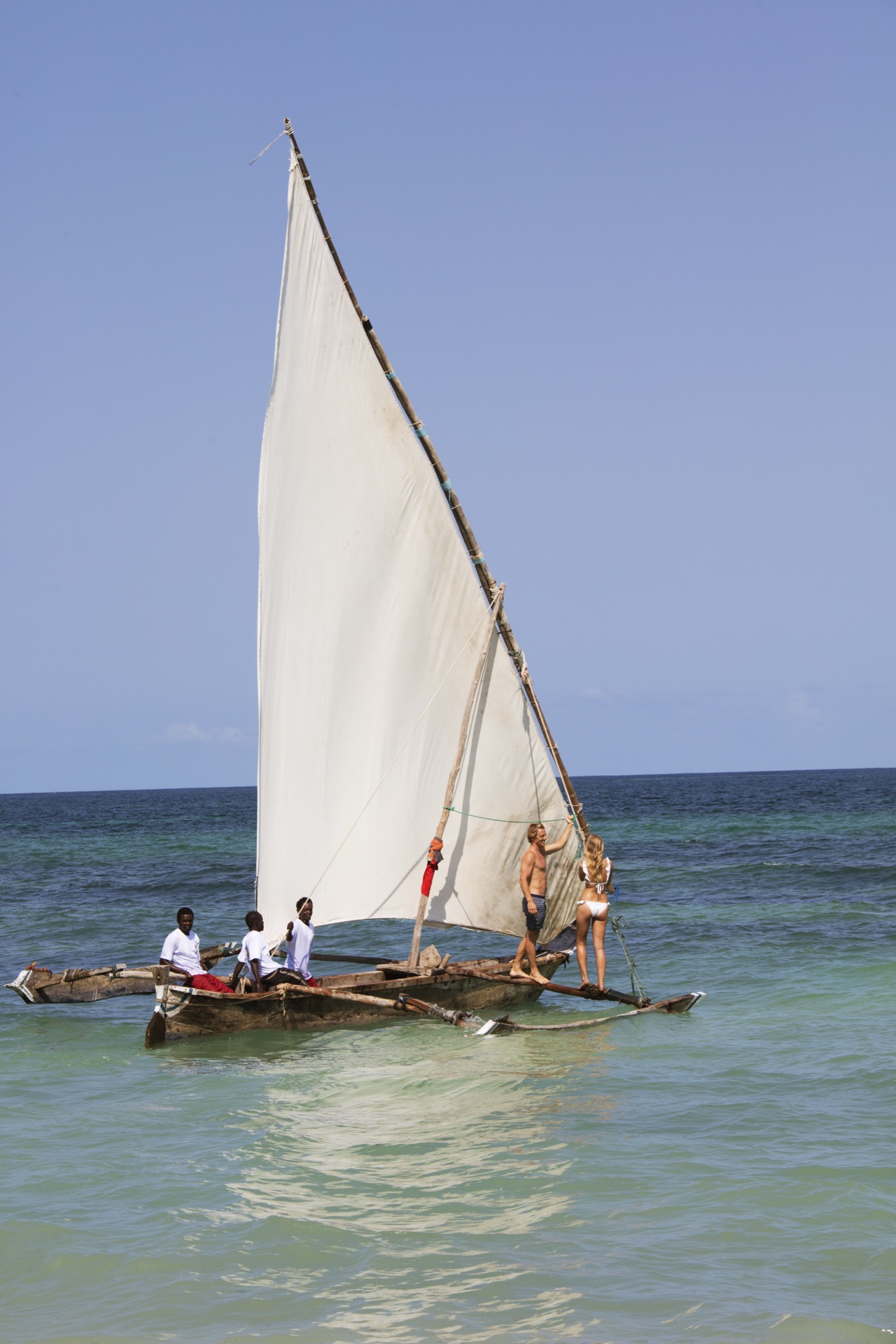
The passport name
Tickets must match the passport on the day you fly, not eventually. This catches people every year.
The practical bitsThe combination that works
Bush first, then the coast
The most common honeymoon we plan is six nights in the bush and four by the sea, with one internal flight between them. It works for two reasons.
The halves are genuinely different, so the second week does not feel like more of the first. And the beach repairs the sleep the bush costs you — which is the right way round, because arriving at a safari already rested is a luxury and leaving one rested is not possible.
- Six bush nights, four beach nights, one flight
- Two safari camps rather than three
- Three nights minimum per camp
- The coast last, every time
Free download
The Honeymoon Safari Planner
Six decisions, in the order they have to be made, with the trade-offs spelled out. Fill it in together and most of the arguing is done.
- Why the wedding date decides more than the destination
- Decision 1: the month, and what it rules in
- Decision 2: the country, given the month
- Decision 3: how many nights, and how to split them
- Decision 4: the pace — and the honest question about 5.30am
- Decision 5: the nightly budget, and where it goes
- Decision 6: the one thing that must be right
- Booking a honeymoon: names, documents and timing
- A sheet to fill in together
No cost, no obligation. We ask for an email so we can send it and, if you want it, follow up once.
Money
What each level buys on a honeymoon
Per person per night, fully inclusive. At every level, buy privacy before you buy square metres.
| Level | Per night | What it buys |
|---|---|---|
| Fine lodges and classic camps | US$800 – 1,200 | Established camps in genuinely good locations, a private vehicle throughout, light-aircraft hops between parks rather than long road transfers, and guiding that is a profession rather than a job. The entry point to a safari that does not compromise. |
| Private conservancy | US$1,200 – 1,800 | Camps on private land, where the rules change: off-road driving to a sighting, night drives, walking with an armed guide, and a cap on how many vehicles may attend anything. Usually the point at which people stop comparing safaris on price. |
| Owner-run and design-led | US$1,800 – 2,500 | The camps people name when they get home. Six to ten tents, an owner or manager who is present, a guide assigned to you for the stay, and food that would hold its own in a city. |
| Exclusive-use and private-guided | US$2,500 – 4,000 | A guide who travels with you from park to park rather than being handed over at each one, private charters on your own schedule, and small camps taken whole for your party. |
| Whole-camp and villa | US$4,000 and up | Exclusive-use houses and villas with their own staff, mobile expedition camps built for your route, and private aircraft between countries. Bought for privacy and control rather than for thread count. |
Per person per night sharing, fully inclusive: accommodation, meals, park and conservancy fees, guiding, and transport between parks. International flights are not included. Indicative 2026/27 rates. Your quote confirms exact pricing for your dates.
Before you ask
The questions couples actually send us
Is a safari honeymoon too tiring?
It can be, and it is the single most common thing we correct. Game drives leave around 6am because that is when animals are active, and a camp that lets you sleep in is a camp that will show you very little.
The fix is structural rather than apologetic: bush first and beach second, three nights per camp rather than two, a private vehicle so you choose the start time, and one day at each place with nothing scheduled. Do those four things and it is restorative rather than exhausting.
We are marrying in April. Is that a write-off?
No, but be honest about what it is. April and May are the long rains across East Africa — genuinely wet, dramatically green, thirty to forty per cent cheaper and almost empty.
The best answer for those dates is usually Rwanda or Uganda, where gorilla trekking runs year-round and rain is an inconvenience rather than a wash-out. The second-best is to go anyway and enjoy having the place to yourselves. The third is to delay by a few months, which more couples do than you would expect.
How much should we spend?
The useful question is not how much but in what order. At every budget, spend on privacy first: a private vehicle, a camp with eight tents rather than sixty rooms, and three nights rather than two.
A larger suite is the last thing to buy, because above about US$800 a night you are already in a lovely room.
Do camps actually do anything for honeymooners?
Most do, and it is usually better when it is understated — a private dinner somewhere, a bush breakfast, a room set up when you arrive. Tell us at the enquiry stage and the camps know before you get there.
What we will not do is promise you a specific gesture from a specific camp. They are goodwill, not a contracted inclusion, and a site that guarantees them is guaranteeing something it does not control.
Who actually arranges my safari?
This site is a planning guide. When you send an enquiry it goes to Nomad Africa, our partner travel agency in Kenya, who prepare your itinerary and quote and handle the booking, the payments and you on the ground.
You deal with one team from the first email to the airport transfer home.
Start planning
Tell us the date and how long you have
Those two answers do most of the work. Add a per-person-per-night figure and whether you want full days or slow ones, and the first reply will be a real route rather than a brochure.
Our Africa specialist replies within 24 hours with named camps and an itemised price.
- A route built around your month, not a standard circuit
- An honest answer if your dates are wrong for what you want
- Named camps, with how many rooms each one has
- No deposit to see a plan, and no obligation at any point
Who answers
Nomad Africa, our partner travel agency in Nairobi, builds and prices every itinerary we send. You deal with one team, on the ground, for the whole trip.
Founded in 2017 as East Africa’s only dedicated travel magazine, Nomad still publishes — so the people planning your trip are the ones who write about these places for a living.
Get your tailored itinerary and quote
Our Africa specialist replies within 24 hours with a costed plan built around your dates.
More from our Africa guides
Specialist guides across our Africa network
Each of these is a focused guide we publish. Same Africa specialist behind every enquiry.